A staircase can be much more than a simple way to move between floors. It can become one of the most noticeable architectural features in a home, creating a strong first impression while adding character and visual appeal. Custom Stairs and Railings allow homeowners to turn an ordinary staircase into a design element that reflects their personal style. Whether the goal is a modern appearance, a classic atmosphere, or a unique statement piece, customized designs offer flexibility that standard options may not provide. Choosing the right materials, layout, railing style, and finish can also improve safety and everyday comfort.
Why Choose Custom Stairs and Railings?
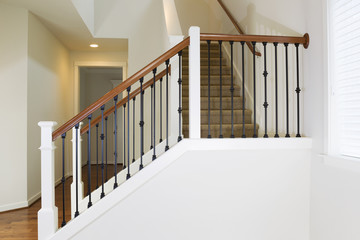
Custom stairs and railings are designed around the specific needs and characteristics of a space. Standard staircase components may work well in some homes, but they may not always match the available dimensions, interior design, or functional requirements. A custom approach allows the staircase to be planned according to the room’s layout, ceiling height, floor space, and overall architectural style. This can create a more balanced appearance while making better use of the available area. Customization also provides an opportunity to address design challenges that may be difficult to solve with ready-made components.
Another important advantage is the ability to select details that suit the homeowner’s preferences. The shape of the stairs, type of railing, materials, colors, finishes, and decorative elements can all contribute to the final appearance. A homeowner may prefer clean lines and simple surfaces for a contemporary interior, while another may want more traditional details and decorative features. Custom designs can also combine different materials to create contrast and visual interest. When these elements are carefully coordinated, the staircase can feel like a natural part of the overall interior rather than an added structure.
Custom stairs can also support long-term value and functionality. A well-designed staircase should be comfortable to use, sturdy enough for regular traffic, and visually appropriate for the property. Properly planned railings provide necessary support while contributing to the overall design. Quality construction can reduce the likelihood of premature wear and help the staircase maintain its appearance over time. This combination of function, durability, and design is one of the main reasons custom stair solutions remain popular.
What Materials Work Best for Custom Stairs?
The material selected for a staircase has a major influence on its appearance, durability, and maintenance requirements. Wood remains a popular option because it creates warmth and works well with many interior styles. Different wood finishes can produce anything from a natural and understated appearance to a polished and sophisticated look. Wood can also be shaped and finished in numerous ways, making it suitable for both traditional and contemporary designs. However, the right choice should consider expected foot traffic, maintenance needs, and the surrounding interior materials.
Metal is another versatile option for custom stairs and railings. It can create a sleek and modern appearance while providing strength and durability. Metal railings can feature simple straight lines, geometric patterns, or more decorative designs depending on the desired style. They can also be combined with wood, glass, or other materials to create a distinctive visual effect. The ability to mix materials gives homeowners more opportunities to create a staircase that complements furniture, flooring, walls, and other interior features.
Glass can provide a lighter and more open appearance, particularly in contemporary interiors. Glass railing panels can allow light to move through the staircase area instead of creating a visually heavy barrier. This can make a smaller room feel more spacious and open. Glass can also work effectively when paired with wood or metal stair components. When selecting materials, however, appearance should always be considered alongside strength, safety, maintenance, and suitability for everyday use.
How Do Custom Railings Improve Staircase Safety?
Railings are an essential part of staircase design because they provide support and help reduce the risk of slips and falls. A well-planned railing should be comfortable to hold and positioned appropriately for the people using the staircase. Its height, spacing, shape, and construction all affect usability. These details should be considered during the design stage rather than treated as purely decorative features. A beautiful railing is most effective when it also provides dependable support.
The design of the railing can also influence how secure the staircase feels. Handrails with comfortable profiles can make climbing and descending easier, especially for children, older adults, or anyone who needs additional support. Proper spacing between railing components can help prevent accidental gaps that may create safety concerns. Strong connections between the railing and staircase are equally important because the system must withstand regular pressure and movement. Careful planning and professional installation can help ensure that the finished railing performs as intended.
Safety does not mean that homeowners have to sacrifice style. Modern railing designs can combine practical support with attractive materials and finishes. A simple metal handrail can provide a clean appearance, while a wood railing can create a warmer and more traditional feel. Glass panels can provide a sense of openness while still defining the edge of the staircase. By considering safety and aesthetics together, homeowners can achieve a railing that looks appealing while serving an important practical purpose.
Which Staircase Styles Are Suitable for Different Interiors?
The shape of a staircase can significantly influence how a room looks and functions. Straight staircases are among the simplest designs and can work well in spaces where the layout allows for a direct connection between floors. L-shaped and U-shaped staircases can provide changes in direction while making better use of certain floor plans. Curved and spiral designs can create a more dramatic architectural statement. The ideal style depends on available space, accessibility, structural requirements, and the desired visual effect.
Contemporary interiors often benefit from staircase designs featuring simple forms and minimal decoration. Floating steps, streamlined metal railings, and glass panels can create a clean and spacious appearance. Traditional interiors may work better with detailed woodwork, classic railing profiles, and richer finishes. Transitional designs can combine elements from both styles, allowing homeowners to achieve a balanced look. The key is to select a staircase design that complements the rest of the interior rather than competing with it.
The surrounding space should also be considered before selecting a staircase style. A staircase positioned near an entrance may serve as one of the first features visitors see, making its appearance particularly important. In an open-plan area, the staircase may need to coordinate with flooring, furniture, lighting, and other architectural elements. The amount of natural and artificial light can also affect how materials and finishes appear. A carefully selected design can make the staircase feel integrated into the space and enhance the overall atmosphere.
What Should You Consider Before Installing Custom Stairs?
Planning should begin with an assessment of the available space and the way the staircase will be used. Measurements need to be accurate because even small differences can affect the final construction. The location of doors, windows, walls, ceilings, and nearby furniture should also be considered. Homeowners should think about how people will move around the staircase and whether the design will remain practical as the space is used every day. Taking these factors into account early can prevent unnecessary changes later in the project.
Material selection should also be based on both appearance and practical requirements. A high-traffic staircase may require materials that can withstand frequent use without quickly showing signs of wear. Maintenance requirements should also be considered because some finishes require more regular care than others. Homeowners should think about whether they prefer natural textures, smooth surfaces, decorative details, or a minimalist appearance. Choosing materials that fit both the lifestyle and interior design can make the finished staircase more satisfying over the long term.
Budget is another important consideration when planning custom stairs and railings. Custom work can involve more design, fabrication, and installation than standard options, so the overall cost may vary depending on materials, complexity, dimensions, and finishing requirements. It is useful to establish priorities before the project begins. Some homeowners may focus on premium materials, while others may prioritize a distinctive design or long-term durability. A clear plan can help balance aesthetic goals with practical expectations.
How Can You Maintain Custom Stairs and Railings?
Regular maintenance can help preserve both the appearance and performance of custom stairs and railings. The specific maintenance routine depends heavily on the materials used. Wood may benefit from regular cleaning and occasional refinishing, while metal may require attention to surface damage or corrosion. Glass usually requires frequent cleaning to maintain a clear appearance. Routine care is generally easier and less expensive than allowing dirt, moisture, scratches, or other damage to accumulate over time.
Homeowners should also periodically inspect the staircase for signs of wear or movement. Loose railings, damaged steps, unusual sounds, or visible cracks should not be ignored. Small problems can become more serious if they are left unaddressed, particularly when the staircase receives heavy daily use. Checking connections and surfaces regularly can help identify issues before they affect safety. Prompt maintenance can also extend the useful life of the staircase and preserve its original appearance.
A well-maintained staircase can remain attractive for many years. Cleaning methods should be appropriate for the specific material to avoid damaging finishes or surfaces. Heavy objects should be handled carefully around stair components to prevent unnecessary scratches or impact damage. If a component becomes damaged, professional assessment may be appropriate to determine whether repair or replacement is needed. Consistent care allows custom stairs and railings to remain both functional and visually appealing.
Final Thought
Custom stairs and railings offer an opportunity to combine beauty, comfort, safety, and practical design in one important part of a property. The right staircase can improve the way a space looks while also supporting everyday movement between floors. Material selection, staircase shape, railing design, safety considerations, and maintenance all play important roles in achieving a successful result. Customization makes it possible to create a design that works with the available space instead of forcing the space to accommodate a standard solution. With thoughtful planning and quality construction, custom stairs and railings can become a lasting architectural feature that adds both function and personality to an interior.